
Let’s face it, the marketplace is crazy competitive these days, especially if you sell online. Standing out amongst all that noise can be really, really tricky.
Verbal identity is the secret ingredient that can help a brand make a real impact. While plenty of brands invest in product and visual identity, far fewer invest in verbal identity.
And those who do stand out.
So What is verbal identity?
At its simplest, verbal identity is a combination of your brand messaging and your brand voice.
Brand messaging + Brand voice = Verbal identity
Brand messaging summarises the key things your brand says (those things you want your audience to understand and remember).
Brand voice describes how your brand ‘speaks’. It’s the way your brand personality shines through in your words – a few core traits that are present in every piece of copy you put out there.. It also describes how you’ll vary the tone of that voice flexes depending on context (think ads vs replying to a customer complaint).
And while we’re here, it’s worth mentioning this, too:
Visual identity + Verbal identity = Brand identity
Words and language should be (but often aren’t) recognised as being just as crucial to your brand identity as your colour palette, logo and typeface. Together, they create your brand identity.
Why your business needs a strong verbal identity
A strong verbal identity gives your brand an edge over the competition in lots of ways. It…
- gets your target customer to notice you and remember you (we all crave that all-important brand recognition, right?)
- makes it super-clear what you sell (or do)
- tells them what you stand for
- shows them how you’re different from (ahem *better than*) than the alternatives
- creates a real connection with them, turning them into repeat customers who rave about you to friends
- helps you to get better results out of AI
- makes your communications more consistent
In short, a strong verbal identity boosts your brand.
Once you’ve developed your verbal identity and know how to capture that voice time after time, using words to boost your brand becomes quicker and easier.
And whether you’re working with AI, a copywriter, or writing the words yourself, the results are much more effective and on-brand, too. Who’d have guessed?
Ready to roll out your verbal identity? Here’s where to focus:
Packaging copy
Think carefully about what your on-pack copy needs to achieve. For example, if you’re selling online, don’t waste space on point of sale messages – they won’t read it until it’s in their hand. Instead, focus on brand building.
Customer interactions
Stay in your brand voice when you interact with customers, whether that’s replying to reviews, emails or social media comments.
Reports
I’m talking annual reports, sustainability reports, impact reports, white papers… Make sure your verbal identity runs through into these more hidden corners of your brand, and you’ll turn return customers into superfans.
Social media
With Instagram feeds swamped with photography-led content, well-placed copy can make a serious impact. Often the copy’s saved for the caption – but it doesn’t have to be that way! Play with adding copy to your social media graphics.
Ads
Ads are the ultimate attention-seekers. Whether they’re online, in print or OOH, they’re there to grab attention and pique interest, spark curiosity and build an emotional connection. A good verbal identity will help you hit the mark every time.
Product descriptions
For most online purchases, product descriptions are the last page your customer sess before pressing ‘add to basket’ – and for that reason, I’ll never understand why they’re so often an afterthought when it comes to writing copy.
Tell your story
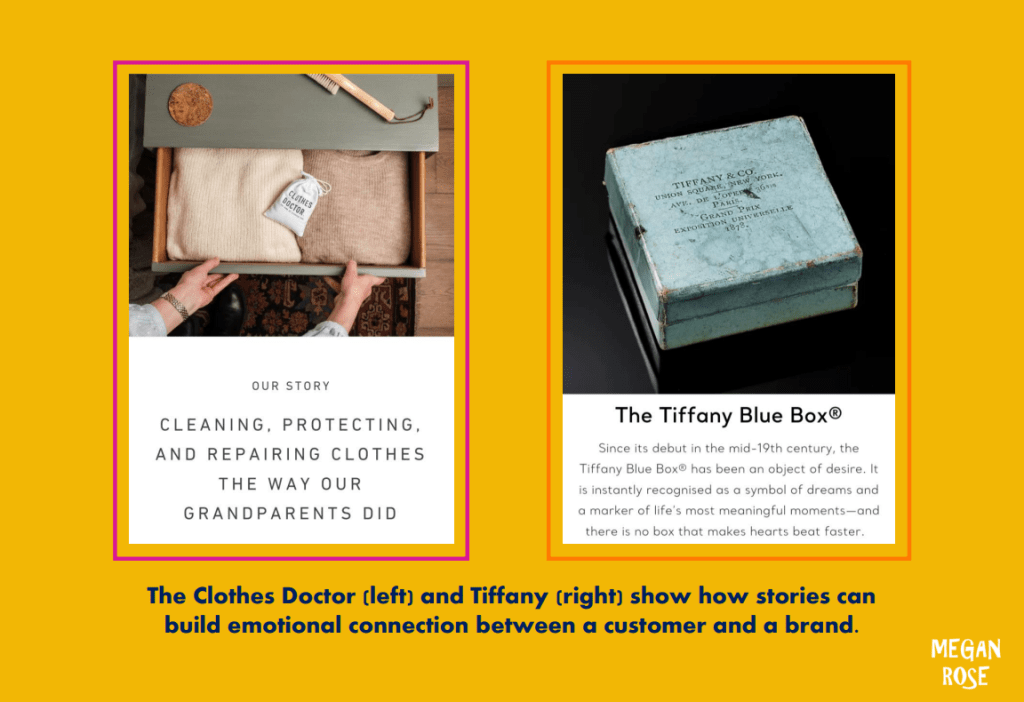
Brand narrative and storytelling are really important. Done well, they resonate with your target customer, make them feel like they know you and like they’re part of your story.
Microcopy
Microcopy is the perfect opportunity to build out a brand’s voice – think website CTAs and buttons, and those sneaky extra bits of copy you find inside or on the underside of packaging.
How to get started with verbal identity
- Identify 3-4 core messages for your brand. These are your core benefits and selling points.
- Think about how your brand should ‘speak’. How does that fit with the overall personality of your brand?
- Find 3 words or short phrases that describe your brand voice. Make them count ( ‘friendly’, ‘professional’, ‘reliable’ or ‘honest’ should go without saying for most businesses).
- Once you have those words, play with how you’ll flex the tone of that voice at different customer touchpoints (for example in ads vs in transactional customer emails).
- Define. Define. Define. This goes for your messages and your voice – especially if you’re planning to grow your team or outsource to freelancers.
- Roll it out. Everywhere.
Or if that all feels too hard, talk to me. Every brand deserves its voice, so let’s find yours.
Sign up to my mailing list to get the extended version of this short guide
It comes complete with examples of verbal identity being rolled out brilliantly by brands you’ll know. They’re packed with more detail and examples – plus you’ll also get my free guide to using AI to capture brand voice.
By signing up to my mailing list, you’ll also get my emails (sporadic, I promise), where I’ll dig deeper into some of the themes in this post – and more.

 meganrosefreelance.com
Leave a comment